Where Is Natural Farm?
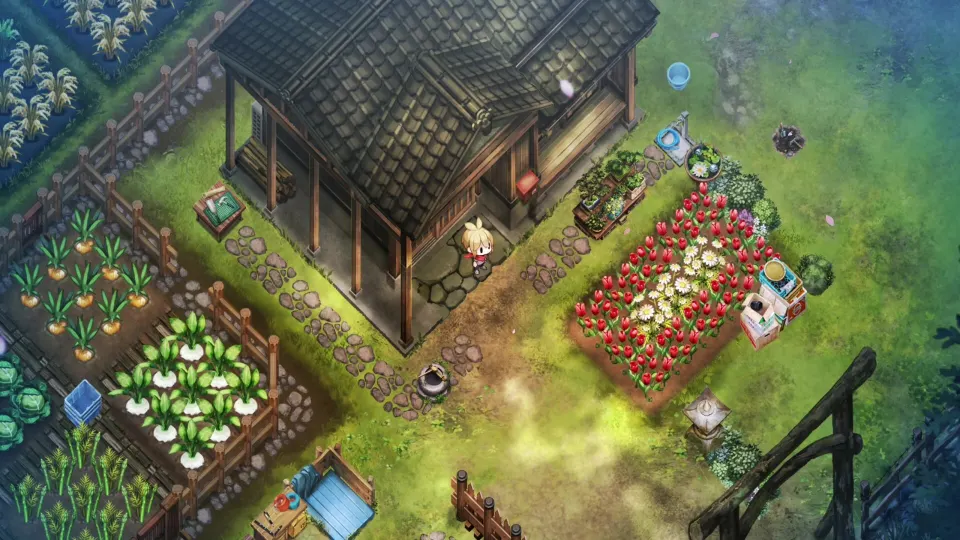
A separate location officially named Natural Farm has not been confirmed in Village in the Shade. The established farming location is your homestead in Kagatsu, where growing crops, keeping animals, and improving your surroundings become part of daily life. Understanding that distinction helps you avoid chasing an unverified map marker or unlock requirement.
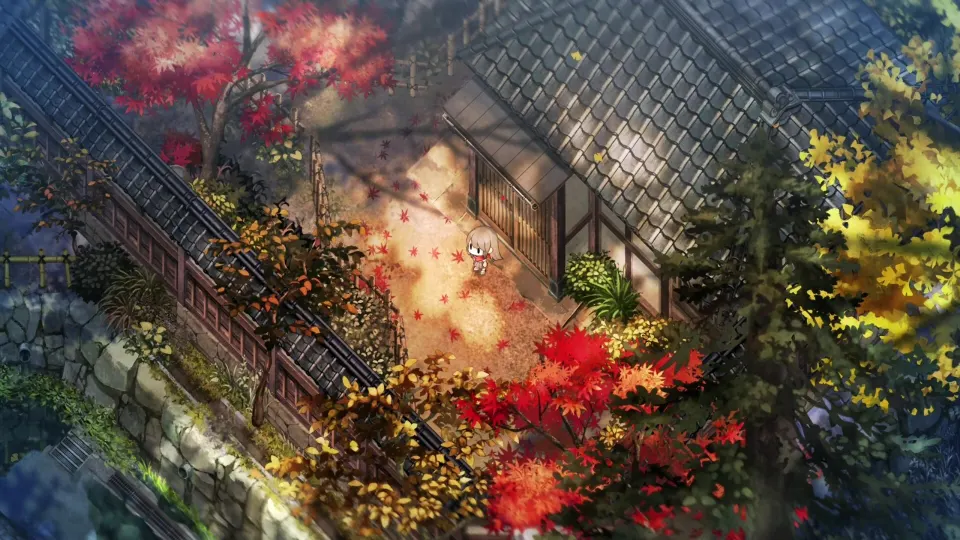
The official Nintendo page identifies Kagatsu as the Japanese mountain village where you settle and customize your homestead. The Shacknews review describes receiving farmland during the opening story.
| Location detail | Established information | What it means for players |
|---|---|---|
| Village setting | Kagatsu, a mountain community in Japan | Your farming activities belong to this village setting |
| Starting farmland | Assigned during the opening story | Follow the introduction to establish your farming routine |
| Homestead activities | Crops, livestock, crafting, and decoration | The property supports several connected activities |
| Natural Farm name | Has not been officially confirmed | No verified directions exist for a separate area under this name |
Getting Started at the Kagatsu Homestead
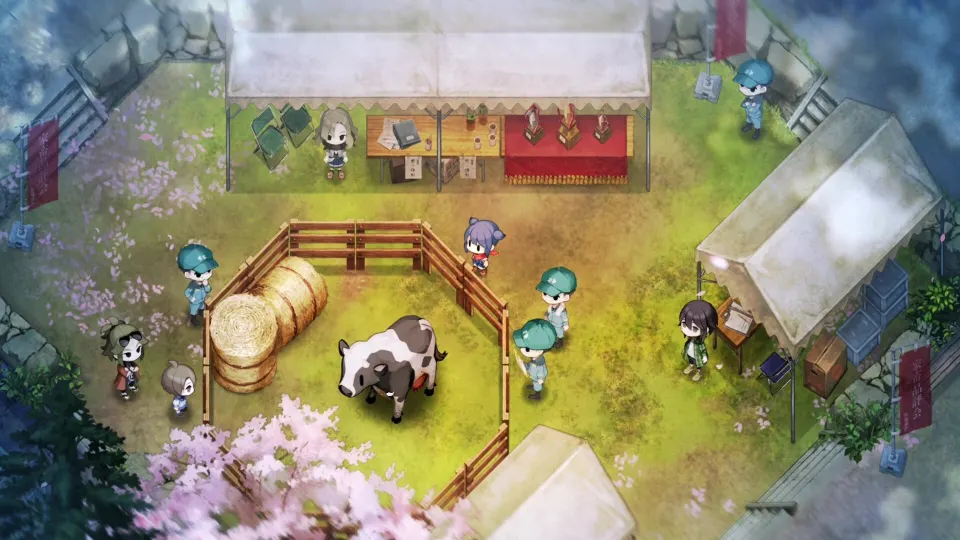
Your farm develops alongside the story. Having access to a plot does not mean every shop, animal, or production system becomes available immediately. A YouTube review discussing early progression reports that the general store and animal ownership are initially restricted while introductory events unfold.
The official farming description establishes the basic cycle: plant seeds, water crops, harvest them, and ship the produce for income. Livestock and processing broaden those options as you progress. NIS America's systems page confirms these activities, but does not provide a complete early unlock schedule.
A manageable starting routine is:
- Check existing crops first. Identify anything ready to harvest before deciding how much additional work to take on.
- Water growing crops. The community farming guide reports that crops stop developing without water.
- Check seed requirements. Match the planting space and season before committing more ground.
- Keep room for equipment. Processing machines and other additions compete with planting space.
- Continue village activities. Conversations, requests, and story events belong alongside the farm routine.
A modest planting area is also easier to maintain while learning the village. Expanding your workload too quickly can leave less time for gathering materials, meeting residents, and understanding new systems.
Choosing Growing Spaces
The homestead's usefulness depends partly on how you prepare its growing areas. The community farming guide on VillageInTheShade.com describes ordinary fields, raised ridges, and rice paddies, with mushrooms using logs separately. These detailed cultivation rules come from that community guide; the official systems overview describes farming more broadly.
| What you want to grow | Space described by the community guide | Preparation or placement consideration |
|---|---|---|
| Many ordinary vegetables and grains | Standard field | Check individual seed descriptions before planting |
| Tomato or Green Onion | Ridge | The Hoe can rework existing farmland into ridges |
| Rice or Wasabi | Rice paddy | Use the Plow and leave surrounding space clear |
| Mushrooms | Logs | Ordinary field tiles are not their growing medium |
This distinction matters when a planting plan fails. A seed that belongs in a paddy will not be solved simply by watering an ordinary field more often. Check the growing medium before replacing seeds or spending resources on fertilizer.
Paddy placement deserves extra room. VillageInTheShade.com reports that player testing suggests paddies need more surrounding clearance than normal fields, but exact placement rules remain under investigation. Start with an open patch rather than squeezing a paddy between objects.
Ridges also deserve deliberate planning. Their appearance signals a cultivation option, but the community guide does not establish a tested growth-speed formula for preferred soil. Use documented crop suitability without assuming a specific harvest-time bonus.
Protecting Crops and Using Limited Space
Your first plot can become crowded as farming options accumulate. A YouTube review covering a full in-game year describes the initial growing area as limited and reports gaining additional land later. It does not establish an exact expansion date or purchase route.
The community farming guide identifies several pressures that affect how you use that space:
| Planning issue | Reported mechanic | Practical response |
|---|---|---|
| Missed watering | Crop growth stops without water | Finish watering before taking on optional trips |
| Seasonal transition | Unprotected, incompatible crops can die when seasons change | Review unfinished crops as day 28 approaches |
| Seasonal Scarecrow placement | Listed coverage is 5x5, lasting 28 days | Plan protected planting space around that coverage |
| Greenhouse access | Provides protection against seasonal changes | Consider it when planning longer-term cultivation |
| Daily watering workload | Sprinklers automate watering | Leave room for equipment as your farm develops |
The coverage and duration figures above are reported by VillageInTheShade.com's farming guide. They should be treated as community guidance rather than a complete official specification for every progression state or future version.
Season changes make planting decisions time-sensitive. Before adding another crop near the end of a season, check whether it can finish growing or remain protected. A full field is less useful if much of its produce cannot survive the transition.
Space pressure also gives you a reason to improve existing production. The community guide reports that repeated harvests increase crop quality and that fertilizer helps quality improve. That supports investing in crops you already grow, although it does not establish a universally optimal layout.
Keep equipment placement flexible. A layout that works with hand watering may need revision once sprinklers, processing machines, and additional growing spaces become available.
Livestock, Crafting, and Trips Beyond the Farm
The homestead supports more than crop rows. NIS America's official systems page confirms livestock, production equipment, furniture crafting, and gathering activities around the village. These systems explain why preserving some usable space matters as your farm develops.
| Activity | Confirmed features | Connection to your farming routine |
|---|---|---|
| Raising livestock | Chickens, cows, and horses are listed | Adds animal care to life at the homestead |
| Producing goods | Milk, eggs, and cheese are described | Provides products beyond harvested crops |
| Crafting equipment | Gathered materials can become processing machines | Expands what you can make |
| Decorating | Furniture and decorative items can be crafted | Lets you personalize your living space |
| Exploring nearby nature | Foraging, hunting, and river fishing are available | Adds activities outside the cultivated plot |
Do not assume every listed animal has the same purpose. The official overview names horses alongside chickens and cows, but it does not assign every species a specific product or explain all care requirements.
Gathering trips support the farm through crafting materials. They also compete with farm work for your attention, so it helps to decide what you need before leaving. A focused trip for equipment materials can be more useful than adding another crop you cannot comfortably maintain.
Village relationships remain part of this routine. NIS America describes helping residents, participating in festivals, talking regularly, and giving gifts as ways to strengthen friendships. Allow time for those activities as your property becomes more productive.
FAQ
Is Natural Farm a separate named location?
A separate area with that official name has not been confirmed. If you searched for village in the shade natural farm, the established location relevant to farming is the player's Kagatsu homestead. A distinct entrance, map position, shop inventory, or unlock quest for Natural Farm has not been officially confirmed.
How do you get your first farmland?
The Shacknews review describes receiving a plot during the opening story after reaching the village. Follow the introductory events to establish your homestead. That account supports early story access to farmland, but it does not provide exact directions for a separately named Natural Farm.
Can you expand beyond the starting plot?
The YouTube review covering an in-game year reports that more land becomes available later. A precise expansion requirement has not been officially confirmed here. Plan around the space currently available, leaving room for equipment and different cultivation types as your options grow.
Why will a crop not grow on my farm?
VillageInTheShade.com advises checking watering and season compatibility. Also verify the growing space: Rice and Wasabi use paddies, while certain crops suit ridges. If the problem is creating a paddy, use the Plow and try a clearer area; its exact clearance requirements remain under investigation.
Can you enjoy the farm without the horror?
The YouTube review discussing early progression describes Sunshine Mode as a gentler farming experience with frightening content removed or altered, while Shade Mode combines farming with horror. Shacknews also mentions an option focused on farming without the scares. These are mode descriptions, not evidence of a separate Natural Farm location.