Kagatsu Map: Where to Start
The village in the shade map helps you connect farm chores, shopping, and gathering trips before nighttime exploration becomes dangerous. Learn your route home early: familiar paths become harder to navigate when a spirit interrupts your plans. Knowing which destination serves your current goal also saves repeated trips across Kagatsu.
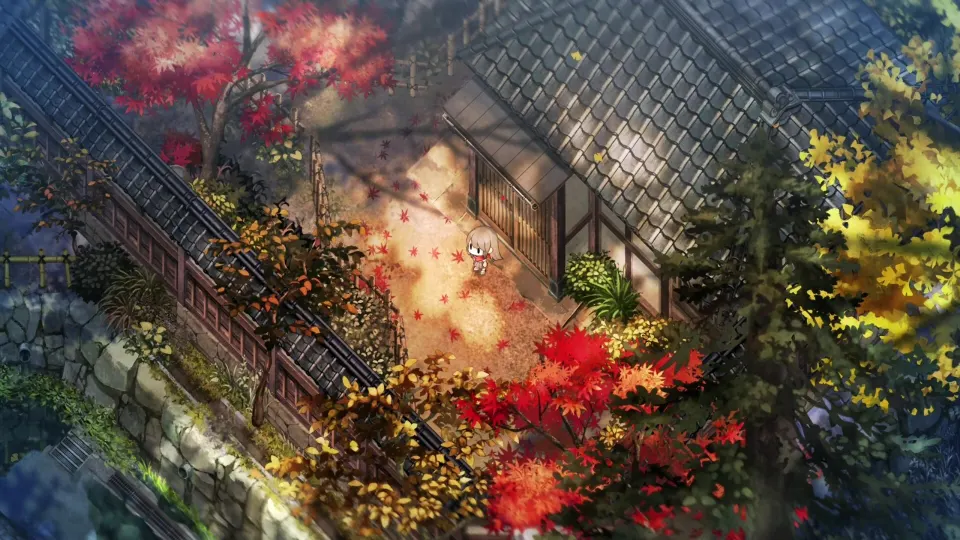
Kagatsu is a Japanese mountain village where your homestead anchors everyday life. The official NIS America gameplay page describes farming, livestock, river fishing, gathering, crafting, and visits to villagers' homes. Use these activities to identify useful destinations as you explore.
| Destination | What brings you here | Navigation priority |
|---|---|---|
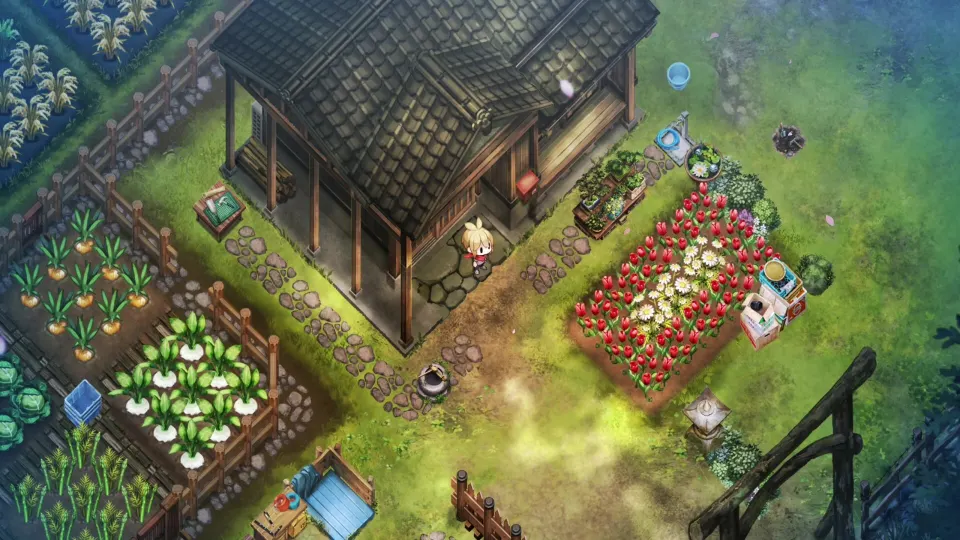
| Homestead and garden | Crops, livestock, processing, and decorating | Learn nearby paths before extending your daily route. |
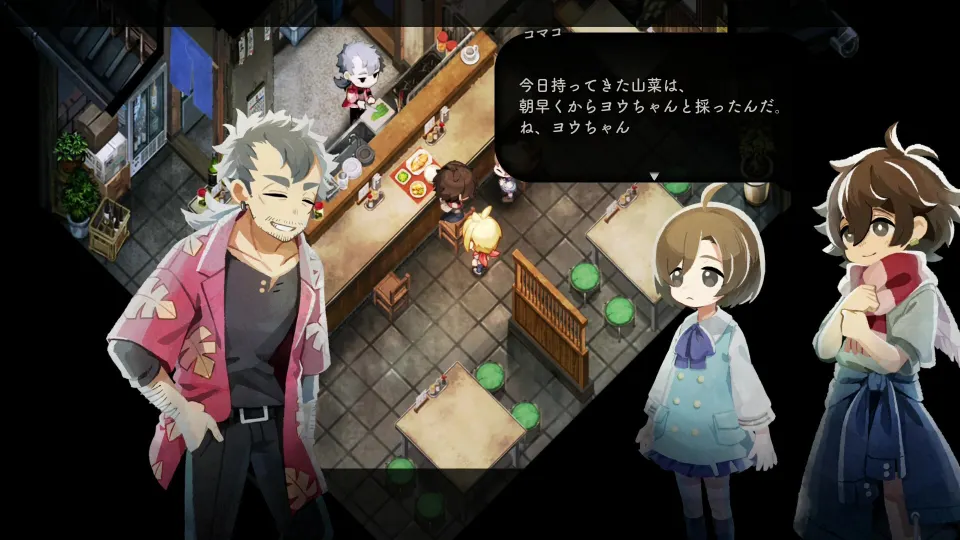
| Village businesses | Supplies, meals, books, and hunting services | Check opening hours before making a special trip. |
| River and natural surroundings | Fishing, wild plants, and hunting | Combine compatible gathering goals in one outing. |
| Villagers' homes | Friendship events and invitations | Learn entrances while making daytime social visits. |
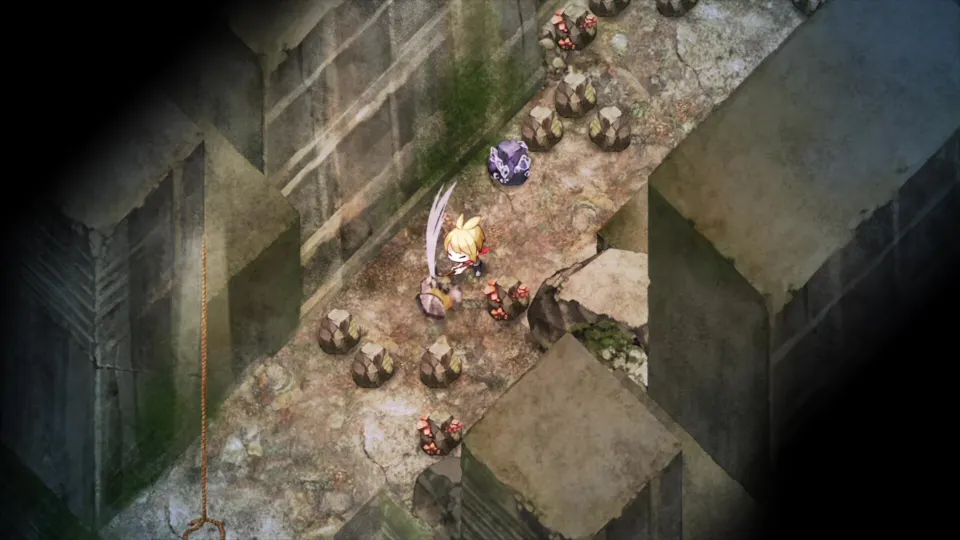
| Underground mine | Materials for upgrades and restoration projects | Give deeper expeditions their own place in your schedule. |
| Shrine destinations | Restoration tasks or offering encounters | Check the particular objective before carrying materials there. |
The mine and shrine restoration appear in a community speedrun route, while Nintendojo's preview describes a shrine offering encounter. Keep those objectives separate: materials requested for a repair should not be assumed to satisfy an offering.
Start by connecting your home with the businesses you use most frequently. Then add fishing, gathering, and mining destinations to your mental map. This makes each outing easier to organize without needing to memorize the entire village immediately.
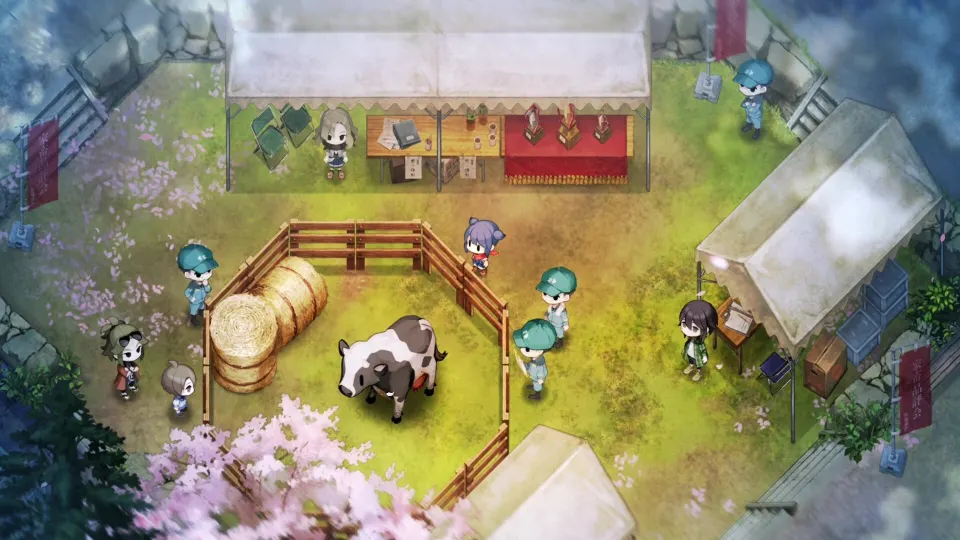
Shops and Daytime Route Planning
Business hours can determine whether a trip is worthwhile. The Speedrun.com route guide records the following schedules, but its author warns that names were translated before the official English release. Treat the labels as provisional and check your game's signs or dialogue if a name differs.
| Business | Reported hours | Reported closed days | Planning implication |
|---|---|---|---|
| Tagami General Store | 9 a.m.–5 p.m. | Friday | Put supply purchases earlier in the day. |
| Library | 9 a.m.–5 p.m. | Saturday and Sunday | Reserve weekday time for reading visits. |
| Hunter's Office | 10 a.m.–5 p.m. | Monday and Tuesday | Schedule hunting-related business later in the week. |
| Restaurant | 11 a.m.–10 p.m. | Thursday and Friday | It offers a later stop on its operating days. |
Under these reported schedules, Wednesday provides a useful overlap: all four businesses are open between 11 a.m. and 5 p.m. Friday is less convenient for combining errands because both the general store and restaurant are closed.
Build a daytime route around a small number of concrete goals:
- Finish essential farm care first. Water crops and attend to livestock before committing to a longer outing.
- Identify the purchase or conversation you need. A destination with a closing time should influence when you leave.
- Bring relevant materials. Check repair or crafting requirements before walking to the objective.
- Gather along a familiar route. Add fishing or foraging when it fits the day's main errand.
- Allow time to return. Avoid making your first attempt at an unfamiliar path your final task of the day.
NPC availability can also complicate an otherwise sensible route. The speedrun guide specifically notes that typhoon weather can keep an NPC indoors during a helping-hand objective. When someone is missing, consider weather and indoor locations before assuming the quest is unavailable.
Mines, Shrines, and Progression
The underground mine matters because village projects eventually demand more substantial materials than a casual gathering trip provides. The Speedrun.com guide connects its shrine-restoration route with reaching at least floor 80. That is a requirement reported for that route, rather than a claim that every player must immediately descend that far.
Shrine restoration is described as a sequence of projects. The route associates the first repair with Spring 16 and a helping-hand ticket, another with Summer 3, and later stages with autumn story events. These are useful progression references, but they should not become promises that an area unlocks after a fixed number of real-world hours.
Material demands increase as the restoration advances. Early work includes ordinary wood, stone, rock salt, and copper ore; later stages require larger quantities and additional wood and stone varieties. Before mining, identify the material holding up your current project so that the expedition has a clear purpose.
Nintendojo's hands-on preview describes a different shrine interaction: offering requested quantities of herbs during nighttime exploration. The writer did not complete the offering, so the preview does not establish its exact reward. Check an encounter's request directly instead of assuming every shrine uses the restoration checklist.
For reducing repeat trips, use the notebook feature described in Josh's 50-hour review. It lets players track desired purchases or crafting projects and see required materials alongside what they already own. Pin a goal before leaving home, then use that list to choose between mining, gathering, shopping, or staying on the farm.
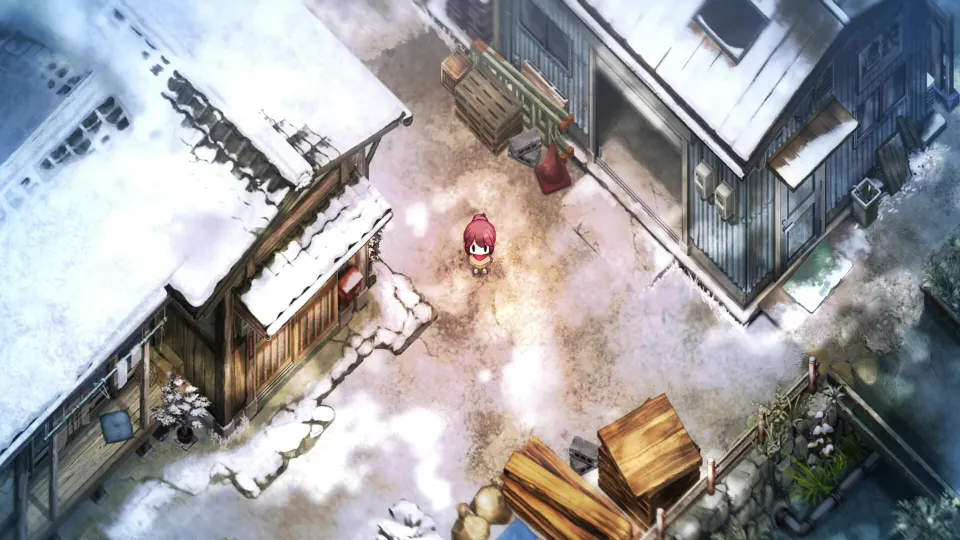
Exploring Kagatsu After Dark
Night exploration changes the purpose of familiar routes. Official promotional rules tell residents to avoid strangers, remain in the village, and stay indoors at night. Reviews describe an 11 p.m. bedtime, with nighttime awakenings creating opportunities to venture outside.
Josh's review describes these awakenings on many nights, followed by encounters that vary with season, weather, and luck. A route that worked previously may therefore present a different problem on another visit. Learn landmarks during daylight, but reassess nearby creatures whenever you travel at night.
| Nighttime discovery | Reported behavior or benefit | Practical response |
|---|---|---|
| Hostile spirits | Nintendojo's demo showed enemies with visible, forward-facing detection cones. | Watch their facing direction and avoid crossing their sightlines. |
| Friendly supernatural encounters | Josh's review reports trades, unlocks, and permanent stamina improvements. | Observe behavior before treating every encounter as hostile. |
| Magatama | Josh's review identifies these beads as currency for recipes and skill benefits. | Give collection a purpose by choosing an upgrade to pursue. |
| Seasonal encounters | Reviews describe changing nighttime opportunities across seasons. | Revisit familiar areas as the calendar advances. |
The preview's player could not use a pickaxe to attack ghosts. However, the writer explicitly left open whether other defensive options would exist beyond the demo. The practical lesson is to avoid relying on ordinary farm tools as straightforward weapons; different supernatural threats may require different responses.
Josh's review also reports that losing all health ends the night and cuts off further opportunities to collect rewards. This makes survival valuable even without a severe lasting penalty. When an encounter becomes difficult, prioritize a route you recognize over another resource pickup.
The library can contribute to navigation indirectly. According to the same review, books and conversations provide hints about supernatural creatures. Reading can help explain an obstacle that repeatedly disrupts an otherwise useful nighttime route.
Peaceful Mode and Future Map Additions
The peaceful option changes which experiences you can pursue around Kagatsu. Naming differs across coverage: the NIS America press release carried by GoNintendo calls it Village in the Sunshine, while Nintendojo's preview uses Peaceful Life Mode. Both describe a mode that prevents players from breaking the village's rules.
In that mode, route planning centers on countryside activities such as farming, fishing, hunting, and visiting neighbors. Nighttime reward strategies should therefore not be assumed to apply in the same way. Check the mode description when deciding what kind of village experience you want.
The October 2026 roadmap also distinguishes farmland expansion from additional maps. Farmland expansion is listed among free launch updates, while fresh maps are planned for spring 2027 DLC alongside new scenarios and systems. Those future destinations should not be treated as locations already available in the launch village. Exact layouts and access requirements for the announced maps have not been officially confirmed.
FAQ
What should I learn first on the village in the shade map?
Learn the route between your homestead and frequently used businesses. Then locate resource destinations associated with your current projects. Daytime practice makes it easier to recognize useful paths when nighttime encounters demand your attention.
Can I use farm tools to fight nighttime enemies?
Nintendojo's demo did not allow the player to attack ghosts with a pickaxe. That observation does not establish every combat interaction in the finished game. Reviews emphasize learning individual creature behavior, so avoid assuming ordinary tool attacks will solve an encounter.
When should I plan a longer mining trip?
Plan one when you have a specific material requirement and have handled essential farm duties. The community shrine-restoration route calls for reaching at least underground floor 80, making deeper mining relevant to that progression.
Are more areas coming after launch?
The announced roadmap places new maps in planned spring 2027 DLC. It separately lists farmland expansion among free launch updates. Check the relevant update or DLC details before planning around a new destination.