Choose the mode that fits your goals
Getting established in Kagatsu takes more than planting profitable crops: conversations, village traditions, and story events also shape your progress. Start with a manageable farm and leave time to explore. Understanding your mode choice first helps you avoid committing to an experience that does not suit you.
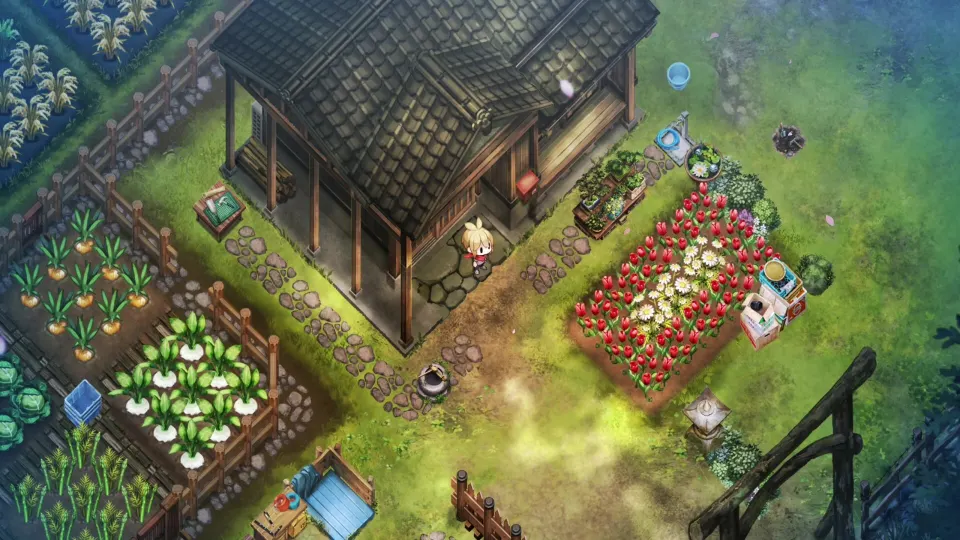
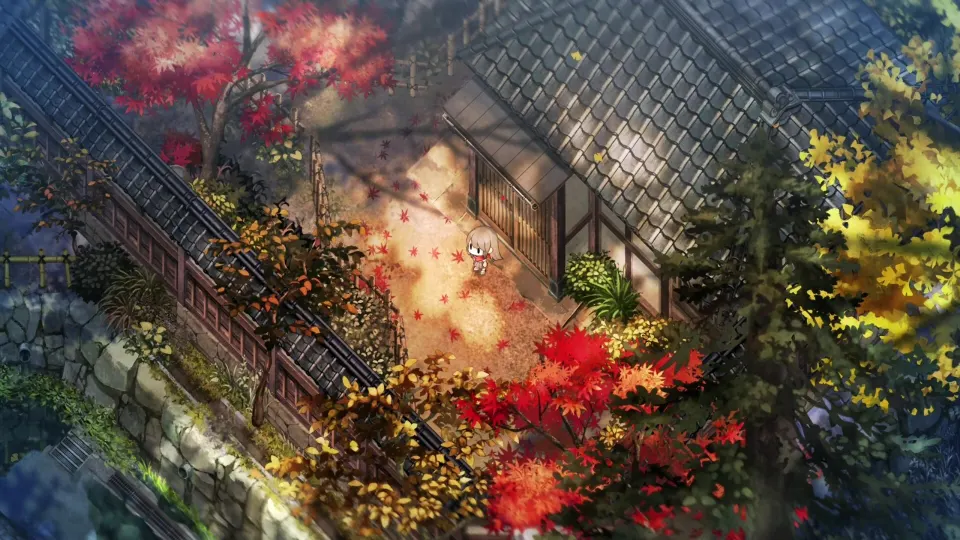
Village in the Shade is Nippon Ichi Software's single-player farming simulation set in a secluded mountain village. Its everyday activities include growing crops, raising animals, fishing, hunting, crafting, and befriending residents. In Shade mode, that routine also leads into supernatural encounters and the village's hidden history.
| Mode | Main experience | Choose it when |
|---|---|---|
| Village in the Shade | Farming and community life alongside nighttime dangers, village mysteries, and rule-breaking | You want to investigate Kagatsu and experience its full mystery |
| Village in the Sunshine | Farming, fishing, hunting, crafting, decorating, and friendships with horror elements removed | You want the rural activities without supernatural threats |
LadiesGamers' launch-day beginner guide describes Sunshine as removing the horror elements. Earlier coverage on VillageInTheShade.com left its story progression unresolved. Shade is therefore the clearer choice if uncovering the complete mystery matters to you; do not assume Sunshine delivers every story sequence unchanged.
The VillageInTheShade.com guide hub also identifies mode selection as permanent. Make that decision before investing heavily in your farm.
Follow the opening harvest before expanding
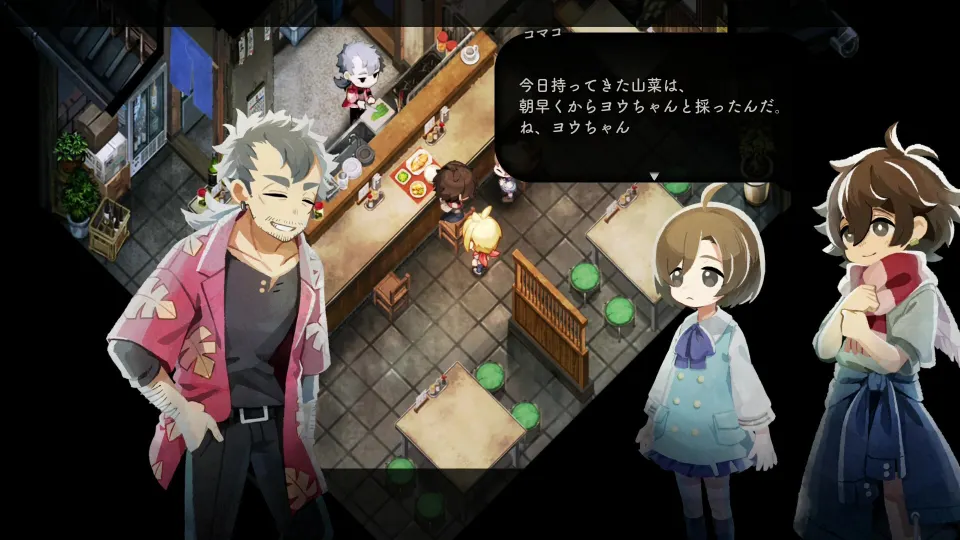
According to LadiesGamers, Komako brings you to Kagatsu after the opening woodland sequence. Rin then provides somewhere to live, but your accommodation comes with debt and an expectation that you will work. You receive turnip seeds and already have most of the tools needed to begin clearing your land.
The villagers' initial reluctance to speak is part of this introduction. If conversations seem limited, concentrate on the starting crop and learning your surroundings rather than assuming you have missed a friendship requirement.
| Character | Opening role | What this means for your first days |
|---|---|---|
| Komako | Finds you and brings you into Kagatsu | Introduces your connection to the village |
| Rin | Arranges your farm accommodation and gives you turnip seeds | Establishes the initial farming objective |
| Konno | Accounts for what you owe the village | Explains the financial obligations attached to your new home |
A practical opening sequence is:
- Clear enough ground for the starting turnips.
- Plant the seeds Rin gives you.
- Learn the controls while tending your initial patch.
- Explore the village layout between farm chores.
- Follow the event that becomes available when the turnips are ready.
Your first turnip harvest leads into a village offering ceremony, making it an early progression milestone. Keep that harvest objective ahead of ambitious decorating or expansion plans.
Expect the opening to make room for story scenes. A YouTube review reports that some early events occupy substantial portions of a day. Leave flexibility in your schedule instead of expecting uninterrupted farming from the beginning.
Build a manageable daily routine
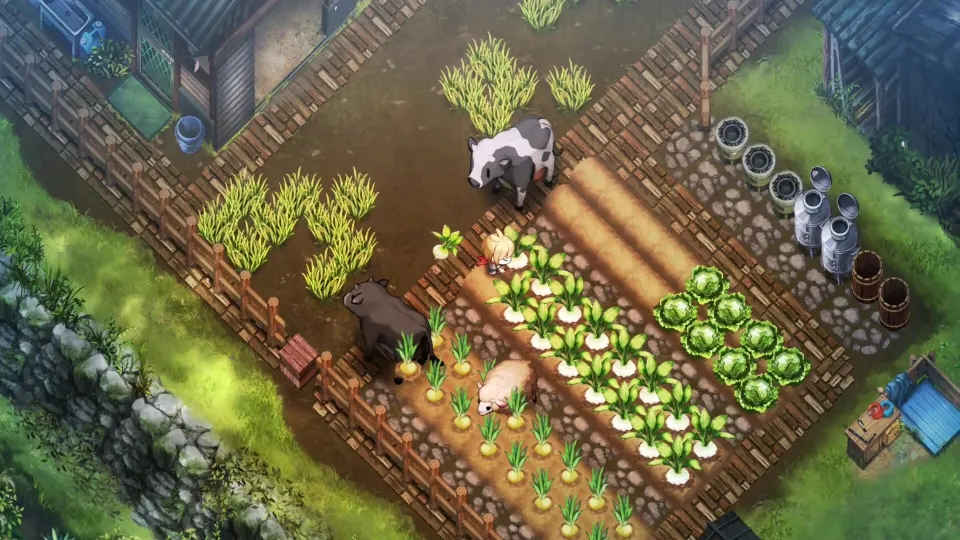
Once more activities become available, divide your attention between maintaining the farm and pursuing one additional goal. A modest planting area gives you room to learn fishing, gathering, and village interactions without making every day feel like unfinished fieldwork.
Crop selection involves both season and growing environment. The game overview describes fields, ridges, and rice paddies, while its guide hub distinguishes growth time, regrowth, seed availability, and downstream uses. Check those conditions before buying seeds or planning a planting area.
| Activity | Conditions to consider | Practical planning tip |
|---|---|---|
| Growing crops | Season, growing environment, growth time, and seed access | Choose crops that fit your current setup |
| Keeping livestock | Daily care, affection, and animal products | Add animals when you can sustain their routine |
| Fishing | Season, time, and location | Change conditions when searching for different catches |
| Hunting | Licenses, bait, and appropriate traps | Learn the relevant setup before pursuing an animal |
| Gathering materials | Crafting and processing requirements | Keep resources needed for your next planned upgrade |
Shipping crops and other goods provides income, but selling everything can conflict with crafting or request goals. Before shipping a material, consider whether you need it for something you are actively trying to make.
Leave time for villagers as well. The YouTube review linked above reports that helping residents unlocks blueprints and additional systems, giving those interactions a practical role in progression.
Watch HP and stamina separately. VillageInTheShade.com's guide hub distinguishes restoring your current gauges through food, sleep, and the Hot Spring from increasing their maximum values. Recovery helps you continue an activity; permanent capacity upgrades are a separate progression goal.
Check unlocks before buying more materials
Crafting progress depends on access to recipes as well as ingredients. If an item is missing from your crafting options, buying additional resources may not solve the problem. First check whether its blueprint comes from a helping event, a Shrine skill, or another progression requirement.
VillageInTheShade.com's guide hub documents the following useful distinctions:
| System | Documented detail | How to use it |
|---|---|---|
| Workbench | Purchase price is ¥500; it can use surrounding Storage Boxes | Place relevant materials nearby when setting up a crafting area |
| Storage Boxes | Nearby storage supports the Workbench and Dyeing Table | Keep storage access separate from assumptions about bag capacity or shipping |
| Milk Processor | Cow Milk becomes Cream, then Butter; Goat Milk becomes Cheese; Soybean becomes Tofu | Check the complete processing chain for your desired ingredient |
| Chawantei Restaurant | Eating the same dish three times is associated with learning its recipe | Track repeat meals when pursuing a particular restaurant recipe |
Workbench crafting and processing are separate activities. A material may need to pass through a machine before it becomes the ingredient required for your next project. For example, the documented Butter route involves Cream rather than a direct conversion from Cow Milk.
Shop availability also has conditions. The guide hub identifies season, year, shipping progress, contests, and particular upgrades among the factors affecting stock. If a seed, sapling, or animal is missing, check its unlock condition before treating the absence as a bug.
Keep your next project specific: identify the item, find its recipe or purchase condition, then gather the required inputs.
Prepare for the curfew and nighttime exploration
Kagatsu follows eight rules, and the most immediate scheduling concern is the 11 p.m. curfew. VillageInTheShade.com and the YouTube review discussing the game's first year describe a restriction on going outside after that time. For an ordinary daytime routine, plan to be indoors before the boundary.
Descriptions of your freedom to avoid nighttime exploration differ. The website presents investigating the darker side of Kagatsu as a choice, while the first-year review reports that the initial curfew violation is forced by the story. In Shade mode, expect story events to introduce nighttime play rather than assuming every encounter is optional.
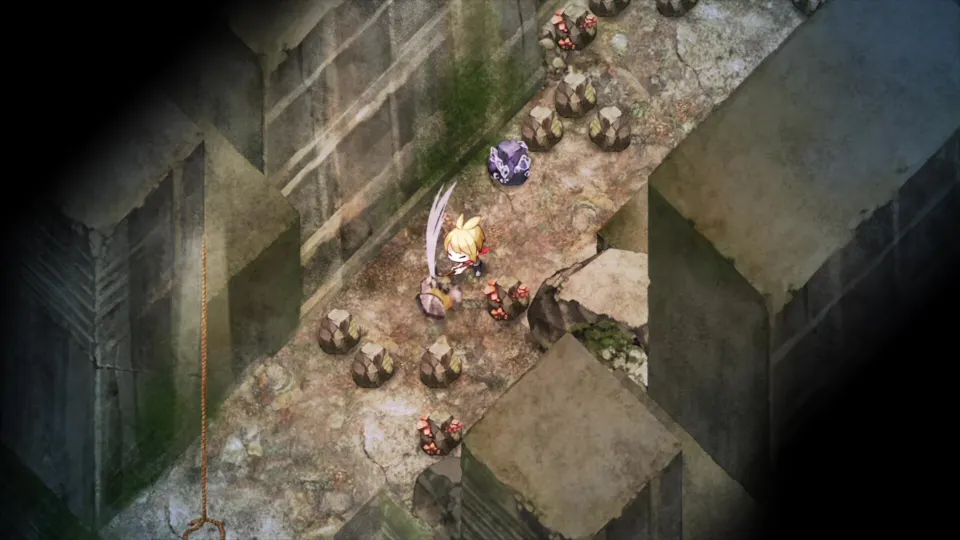
Night excursions offer reasons to take risks. That review describes rare materials, seasonal yokai requests, and special encounters, alongside hostile spirits whose behavior varies. Learning how to respond to a particular threat matters more than assuming every outing works the same way.
Before a nighttime trip:
- Decide which material, location, or event you are pursuing.
- Learn the route home during daylight.
- Check your condition before committing to further exploration.
- Be ready to abandon gathering when a dangerous encounter interrupts it.
Sleeping also matters when ending a session. David's YouTube review reports that saving occurs when you go to bed, rather than through unrestricted manual saves. Finish the sleep and save transition before closing the game.
Defeat can lead to waking at the clinic, but the guide hub distinguishes nighttime defeats, daytime wildlife knockouts, and scripted clinic scenes. Avoid assuming every clinic visit has identical causes or consequences.
FAQ
Is this village in the shade guide spoiler-free?
It covers the opening farm setup, the first harvest milestone, and general nighttime mechanics. It avoids revealing the village's central mystery, later story solutions, Sacred Treasure routes, and endings. Players wanting no opening details should begin with the mode comparison.
What should I do when the villagers barely talk to me?
Continue tending Rin's starting turnips and learning the village layout. LadiesGamers describes limited interaction during the opening days, followed by an event involving Rin and Komako when the turnips have grown.
Can I enjoy farming without the horror?
Yes. LadiesGamers describes Village in the Sunshine as removing horror elements while retaining activities such as farming, fishing, hunting, crafting, decorating, and friendships. Choose Shade if experiencing the full mystery is your main goal.
Why is a recipe or shop item unavailable?
Check its unlock requirements. VillageInTheShade.com's guide hub documents blueprints tied to helping events and Shrine skills, while shop stock can depend on season, year, shipping, contests, or upgrades. Having enough money or materials does not satisfy every condition.
Does restoring stamina increase its maximum?
No. Restoring the current gauge and raising its maximum are separate systems. Use recovery options to support your immediate activities, and pursue the relevant permanent upgrades when you want greater overall capacity.